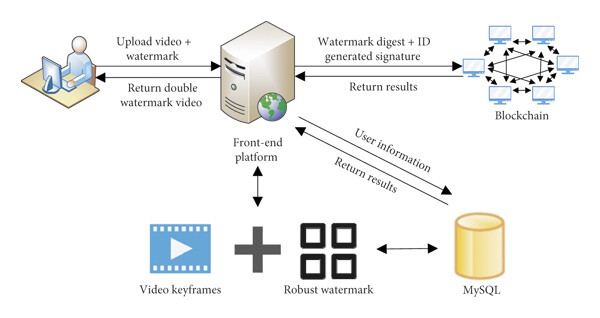
The explosion of digital content over the last decade has created extraordinary opportunities for creators—but also unprecedented challenges. Images, videos, audio files, and written work can be copied, altered, or distributed globally in seconds. As deepfakes grow more convincing and AI-generated media becomes easier to produce, protecting the authenticity and ownership of digital assets has become a priority for artists, brands, and organizations alike.
Digital watermarking has long been part of the solution, but on its own, it can only do so much. Traditional watermarking marks a file, but it doesn’t guarantee the integrity of the record behind it. That’s exactly where blockchain has stepped in, transforming watermarking from a simple identifying layer into a secure, verifiable chain of custody.
Craig Pickering from Utah has often pointed out that modern problems require layered defenses, and watermarking alone can’t keep pace with the scale of today’s media-sharing landscape. He believes that when creators pair watermarks with blockchain-backed authentication, they gain something that felt out of reach a few years ago: true traceability. Instead of relying on platforms or intermediaries to confirm who owns what, creators can anchor their work directly onto a ledger that cannot be altered quietly or behind closed doors.
Blockchain’s immutability makes it ideal for intellectual property protection. When a watermark is tied to a blockchain entry, every version, transfer, or licensing event leaves a permanent record. The owner doesn’t have to worry about forged metadata or hidden edits because any change would require network consensus. This shift strengthens legal claims too—proof of authorship becomes clearer, timestamped, and publicly verifiable.
Craig Pickering of Gnodi and Cirrus Networks emphasizes another benefit that often gets overlooked: trust. In industries where partnerships depend on exchanging large volumes of media—film, design, advertising, gaming—blockchain-backed watermarking offers reassurance that the files circulating internally or externally are legitimate. He notes that companies want security tools that prevent misuse without slowing down creative flow. Blockchain helps accomplish this by offering a verification layer that doesn’t interfere with how people collaborate.
As generative AI raises questions about authenticity, this combined approach brings new transparency. Brands can confirm whether an image originated from a human creator or an automated system. Journalists can verify footage before publishing. Studios can track whether a video clip leaked from an authorized source or was manipulated along the way. For independent artists, it levels the playing field, giving them technology once reserved for large studios and corporations.
What makes digital watermarking and blockchain so powerful together is that they address two sides of the problem: identity and integrity. Watermarks identify the creator, and blockchain preserves the truth behind that identity. As more industries adopt this dual strategy, we may see a shift toward a digital environment where misattributed, stolen, or manipulated content becomes much harder to pass off as real.
In a world where media moves faster than ever, securing intellectual property isn’t just smart—it’s essential. And this new partnership between watermarking and blockchain may be the most reliable standard yet.